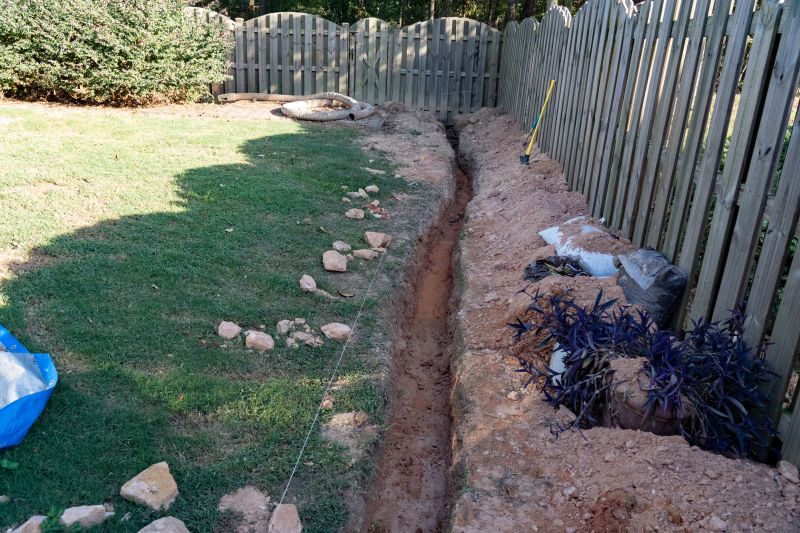
Irrigation Trenching in Houston, TX
Irrigation trenching services involve digging narrow, precise trenches to install or repair underground irrigation systems, such as sprinkler lines and drip irrigation. These services are commonly used for projects like establishing new lawn watering systems, upgrading existing setups, or repairing damaged pipes. Property owners typically want to understand the scope of trenching work, including how deep and wide the trenches will be, as well as how the process might impact their landscaping or existing features.
Before requesting irrigation trenching, homeowners should consider the layout of their property, including the location of existing utilities, trees, and hardscapes. It’s also helpful to clarify the goals for the irrigation system, whether for new installation or repairs, and to discuss any concerns about soil conditions or access points. Proper planning ensures the trenching is performed efficiently, minimizing disruption while providing a reliable foundation for effective irrigation.
Many property owners in Houston, TX look into Irrigation Trenching for repairs, replacements, upgrades, and appearance-related improvements.
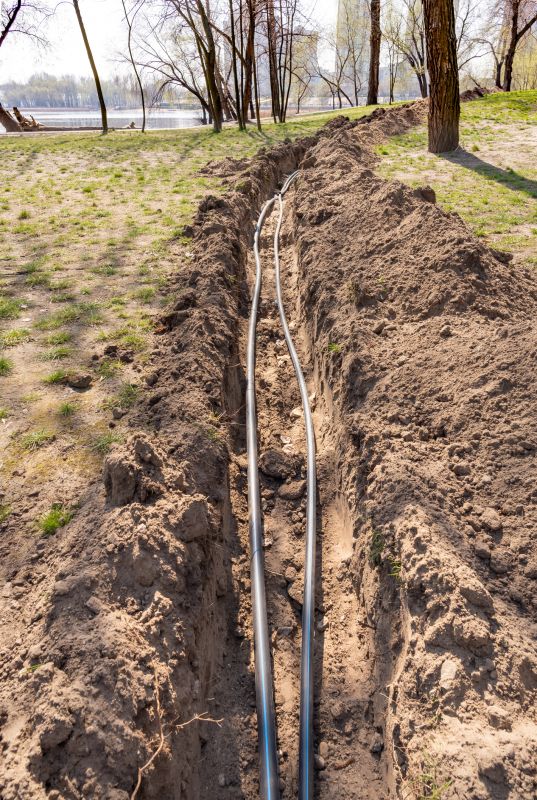
Irrigation Trenching Services
Examples of irrigation trenching work property owners may explore in houston, tx.
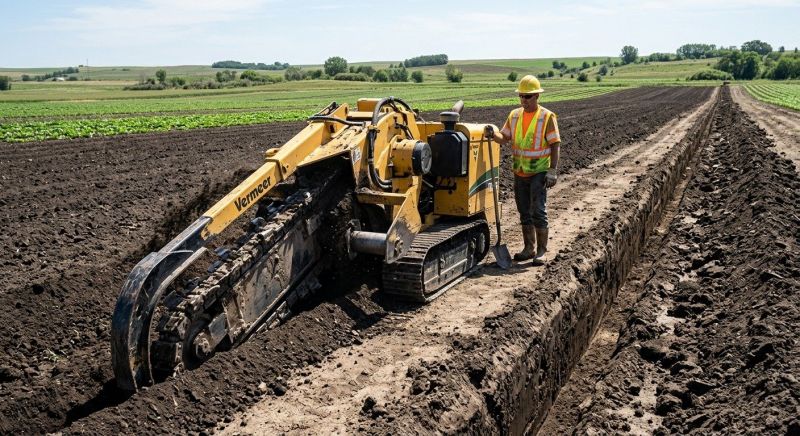
Irrigation Trenching Updates
Common ways people refresh, improve, or restore irrigation trenching features in houston, tx.
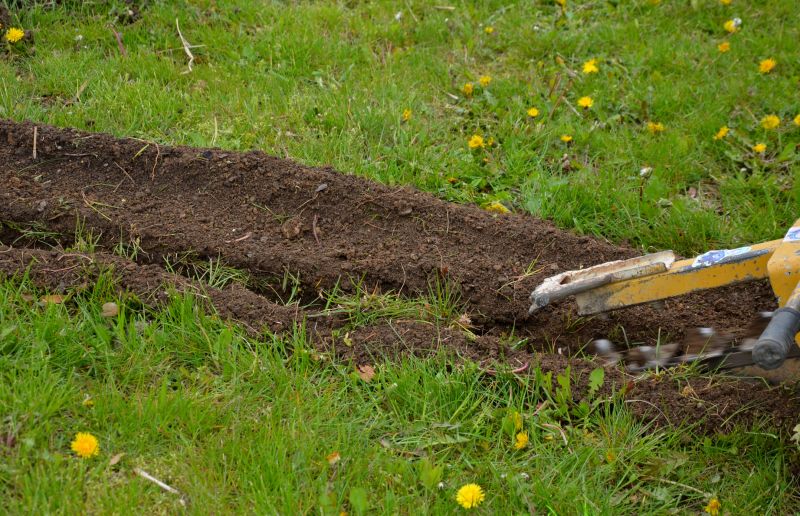
Irrigation Trenching Options
Different styles, layouts, and finishes people consider for irrigation trenching in houston, tx.
Irrigation Trenching in Houston, TX

Irrigation trenching services involve digging narrow, precise trenches to install or repair underground irrigation systems, such as sprinkler lines and drip irrigation. These services are commonly used for projects like establishing new lawn watering systems, upgrading existing setups, or repairing damaged pipes. Property owners typically want to understand the scope of trenching work, including how deep and wide the trenches will be, as well as how the process might impact their landscaping or existing features.
Before requesting irrigation trenching, homeowners should consider the layout of their property, including the location of existing utilities, trees, and hardscapes. It’s also helpful to clarify the goals for the irrigation system, whether for new installation or repairs, and to discuss any concerns about soil conditions or access points. Proper planning ensures the trenching is performed efficiently, minimizing disruption while providing a reliable foundation for effective irrigation.
Many property owners in Houston, TX look into Irrigation Trenching for repairs, replacements, upgrades, and appearance-related improvements.
Common Irrigation Trenching Jobs
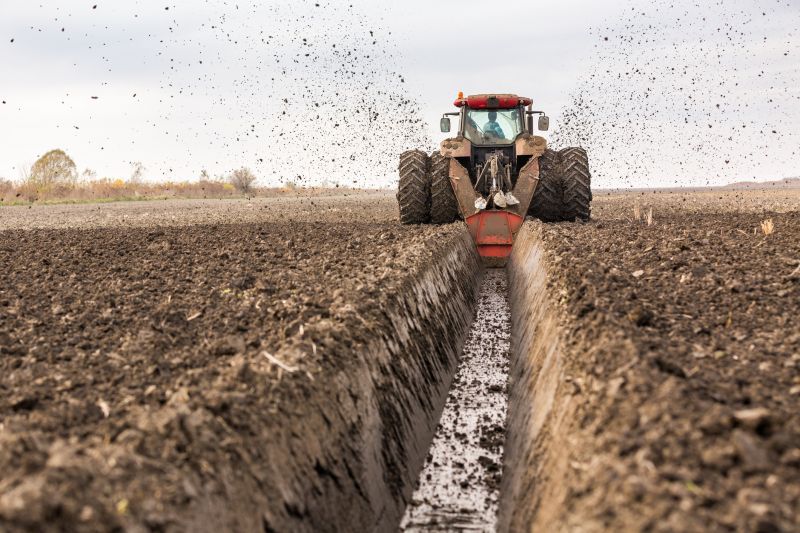
Irrigation trenching involves digging channels to install or repair underground watering systems.
Landscape irrigation projects often require trenching to lay new sprinkler lines efficiently.
Drainage improvements may involve trenching to redirect excess water away from foundations.
Garden and lawn irrigation installations typically need trenching to conceal piping and wiring.
Water line repairs can require trenching to access and replace damaged pipes.
Property enhancements sometimes include trenching to install drip lines and underground sprinklers.

Irrigation Trenching Questions
What is irrigation trenching used for? It is used to install or repair underground pipes and sprinkler lines for efficient lawn and garden watering.
What types of projects typically require trenching? Projects include laying new irrigation systems, replacing old lines, or extending watering coverage across a property.
How deep are irrigation trenches usually dug? Trenches are typically excavated to a depth that safely accommodates pipes, often between 6 to 12 inches depending on the system.
What should property owners know before trenching begins? Proper planning ensures minimal disruption and correct placement for optimal irrigation coverage.
Request Irrigation Trenching in Houston, TX
Use the quote form on this page to share the basics of your project and request more information for the type of work you need.